
Choose your path · United States
How to Become an Aerial Firefighting Pilot
Start with the kind of flying you want to do. Then choose a route that builds on the experience you already have.
You may already fly professionally and want to move into fire, or you may be exploring a future flying career. This overview helps you choose between the main paths and identify your next step. The helicopter and fixed-wing guides take you further into employer requirements, experience gaps and entry seats.
01 / Choose the mission
Which kind of fire flying interests you?
Helicopter firefighting
Helicopters can support water delivery, crew transport and other fire or utility assignments. Your experience in the aircraft and mission matters alongside your flight hours. An SIC seat, a PIC trainee program and a direct PIC application can be very different entry routes.
See helicopter pilot listingsFixed-wing firefighting
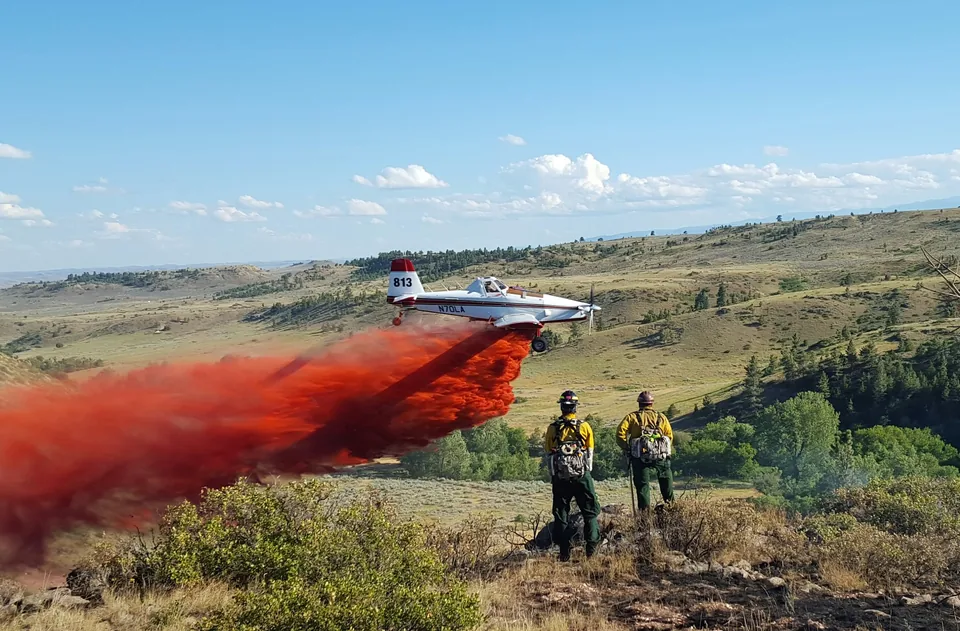
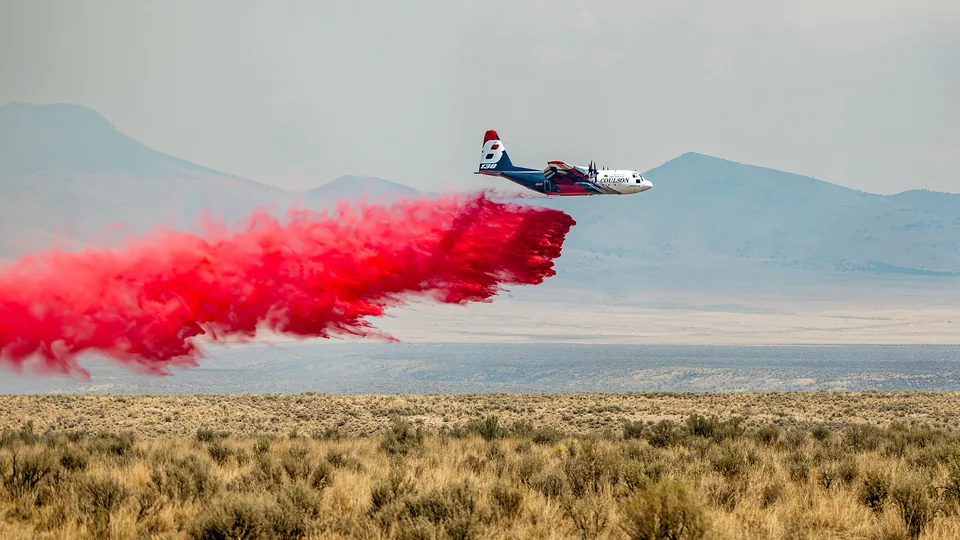
A multicrew tanker, a single-pilot SEAT or Fire Boss, and an air attack aircraft offer different paths. A first-officer role may be relevant to a crewed tanker; a single-pilot aircraft needs a different experience plan. Air attack supports aerial supervision rather than making tanker drops.
See fixed-wing pilot listingsChoose a mission before committing to specialty training. The experience that helps you qualify for one track may not be the missing piece for another.
02 / Find your starting point
What experience can you build on?
Already flying helicopters?
Start by comparing your command time, aircraft background and utility experience with the work you want. EMS, military and utility pilots can bring different strengths and gaps. The helicopter guide explains longline skills, aircraft-specific SIC roles and the challenge of building toward PIC.
Already flying airplanes?
Your turbine, multiengine, crew or aerial-application experience can point toward different opportunities. Use the fixed-wing guide to compare tanker first-officer routes, Fire Boss requirements and air attack work before choosing what to build next.
Relevant experience matters as well as the hour total. AOPA’s career interview with tanker pilot Brent Conner offers useful context on that distinction. Its historical hiring figures are not used here as current minimums.
03 / Understand eligibility
Three different checks stand between you and a fire seat
- Your pilot qualifications. Certificates, ratings and medical eligibility establish your underlying flying privileges. Use the FAA’s pilot resources for the foundation.
- The employer’s hiring requirements. These can include particular aircraft, command hours, recent experience and mission skills. Required and preferred qualifications have different meanings.
- The assignment’s requirements. Contract or agency mission approval can add another step. Being hired does not automatically establish approval for every aircraft or mission.
Government pilot jobs also have announcement-specific documentation and application requirements. Read the actual duties: an aviation-management or helitack position is not necessarily a pilot seat. Explore government agencies and programs →
Consider the working life as well as the aircraft
Compare travel, deployment availability, rotations and the annual income picture with the job you have now. Some roles are seasonal or call-when-needed; others have year-round arrangements. A day assigned to a crew is not automatically a day building flight hours.
A learning environment matters, too. Look for structured training, useful feedback and a crew that helps you understand the mission. The specialist guides explain progression and the tradeoffs behind the different seats.
Starting with little or no flight experience?
First, plan how to become employable as a pilot. With an instructor, work through medical eligibility, certificates, training costs and early professional flying opportunities. A private certificate alone is not a qualification for a professional firefighting seat.
Study the career paths early, without assuming your first paid flying job will be in fire. Choose initial work for the experience it actually builds. More total time can still leave gaps in PIC, aircraft or mission experience. Each specialist guide includes a beginner section to help connect those early choices to a longer-term direction.
04 / Make the next move useful
Turn a direction into a plan
- Choose a target track. Start with the helicopter guide or fixed-wing guide for the detailed comparison.
- Compare your experience with actual roles. Separate required qualifications, preferences and gaps that an employer explicitly trains after hiring.
- Build the missing experience deliberately. Flight hours, aircraft time and mission skills can require different solutions. Pick the next step for the gap it closes.
- Research the working arrangement. Review the operator, training, schedule and income before applying or leaving your current job. Use the company directory alongside the current listings below.
About this overview
Prepared by Aerial Firefighting Jobs. Overview reviewed November 4, 2026. This page helps you choose a career direction; the specialist guides hold the dated employer comparisons and detailed transition advice. FAA resources and the attributed AOPA interview support the general context. No universal hour minimum, salary or hiring timeline is implied. Send a correction or share career context →
From the current job catalog
Current pilot openings
These listings refresh when you load the guide. Use them to explore opportunities in your chosen path. Confirm the employer’s current requirements before applying.
No recently confirmed matching openings are available to show here right now. Employers may still be hiring.